Fabric Reinforced Roofing in Colorado & Eastern Utah
When your commercial building needs rugged, long-lasting waterproofing protection without the cost and disruption of a full roof replacement, a fabric reinforced roofing system is one of the most effective solutions available. Altitude Roofing LTD installs fabric reinforced roofing systems for commercial properties across Colorado and eastern Utah — delivering a seamless, flexible membrane that stops leaks, resists damage, and cuts energy costs.
This system is built for buildings that need serious protection in demanding conditions. And across Colorado's mountains, high desert, Front Range, and eastern Utah, conditions don't get more demanding.
What Is a Fabric Reinforced Roofing System?
A fabric reinforced roofing system combines a tough, flexible polyester or fiberglass fabric embedded within a seamless acrylic base coat, topped with a durable reflective finish coat. Unlike single-ply membranes that can separate at seams, or traditional built-up roofing that can become brittle over time, the fabric reinforcement creates a unified, monolithic membrane bonded directly to the existing roof substrate.
The result is a roofing system that:
- Has no seams — eliminating the most common failure point in commercial roofing
- Resists splitting and rupturing from impact, thermal cycling, and structural movement
- Bonds tightly to the existing roof surface, eliminating the air gaps that allow wind uplift
- Adds structural strength to the existing roof deck
- Reflects solar heat with a bright white finish coat, reducing cooling loads
Because the system is applied over the existing roof, it avoids costly tear-off and landfill disposal — and is completed faster and with less disruption than replacement.
Why Fabric Reinforced Roofing Performs Across Colorado's Diverse Climate Zones
Altitude Roofing LTD serves commercial clients from Pagosa Springs to Denver, across the Western Slope, the Front Range, southern Colorado, and into eastern Utah. The climate demands vary significantly across this territory — but fabric reinforced roofing is engineered to perform in all of them.
Mountain Communities — Extreme Temperature Cycling
Above 7,000 feet, temperatures can swing 40°F or more in a single day. The embedded fabric gives the coating membrane flexibility — it moves with the building and substrate through temperature swings rather than cracking or splitting. In communities like Pagosa Springs, Steamboat Springs, Telluride, and Aspen, this flexibility is critical to long-term performance.
Front Range — Hail and Wind
The Denver metro and Front Range corridor are among the most hail-active zones in North America. The fabric reinforcement in the membrane adds puncture and impact resistance that a coating alone cannot provide — helping the system withstand hail that would damage or penetrate thinner roofing systems. The fully adhered system also resists wind uplift better than mechanically fastened alternatives.
Western Slope and Four Corners — UV and Heat
Grand Junction, Montrose, Cortez, and Durango experience intense summer heat alongside winter snow. UV intensity at altitude accelerates coating degradation. The white reflective finish coat reflects up to 85% of solar energy — reducing cooling costs and slowing UV-driven breakdown. Many building owners see air conditioning savings of up to 30% after installation.
Eastern Utah — Desert UV and Thermal Extremes
Moab, Price, Vernal, and the surrounding eastern Utah high desert present some of the most intense UV exposure and thermal cycling in the region. Fabric reinforced roofing's flexible membrane and UV-resistant reflective coating are well-matched to these conditions — providing durable waterproofing that doesn't crack or separate under the region's demanding thermal load.
Benefits of Fabric Reinforced Roofing
- Seamless waterproofing — no seams, no laps, no penetrations to fail
- Embedded fabric resists splitting, tearing, and rupture
- Bonds to most existing roof substrates — avoids costly tear-off
- Reflects up to 85% of solar heat — reduces cooling costs by up to 30%
- Lightweight — adds virtually no structural load to the roof deck
- Increases structural strength of the existing roof
- Long service life with periodic re-coat maintenance
- Faster installation than replacement — less disruption to operations
- Expensed as maintenance rather than capitalized — favorable tax treatment in most cases
- Environmentally responsible — no tear-off waste
- Available statewide across Colorado and in eastern Utah
Roof Evaluation
We begin by inspecting your current roofing system and discussing your goals, budget, and design preferences.
Customized Roofing Recommendation
Our experienced team helps you determine whether standing seam metal roofing is the right solution for your home and explains your available options.
Professional Installation
Using proven installation techniques and quality materials, we install your new roofing system with precision and attention to detail to ensure long-lasting performance.
Final Inspection
Before completing the project, we carefully inspect every aspect of the installation to ensure your roof meets our high standards for quality and craftsmanship.
How the Fabric Reinforced Roofing Installation Process Works
Step 1: Roof Inspection & Assessment
We begin with a thorough inspection of your existing roof — evaluating substrate condition, identifying active leaks, checking drainage, and assessing whether any areas require repair before the system is applied.
Step 2: Surface Cleaning & Preparation
The existing roof surface is pressure washed and cleaned to remove dirt, debris, mildew, and any loose or failing material. Proper surface preparation is the single most important factor in long-term system performance.
Step 3: Repair of Problem Areas
Any identified problem areas — active leaks, damaged sections, failed seams or flashing, open cracks — are repaired before the system is applied.
Step 4: Base Coat Application with Fabric Embedding
A premium acrylic base coat is applied to the roof surface. While the base coat is still wet, the reinforcing fabric is embedded into the coating and smoothed flat — ensuring full saturation and complete adhesion to the substrate.
Step 5: Finish Coat Application
Once the base coat and fabric have cured, one or more finish coats are applied to the specified dry film thickness. The finish coat provides the waterproof barrier, UV resistance, and reflective surface — a smooth, seamless, bright white membrane bonded to the entire roof surface.
Step 6: Final Inspection & Warranty Documentation
We walk the completed roof, inspect the finished membrane, and document the work with photos. You receive written warranty documentation covering both materials and workmanship before we leave the job.
What Buildings Are a Good Fit for Fabric Reinforced Roofing?
Fabric reinforced roofing is well-suited to a wide range of commercial building types across Colorado and eastern Utah, including:
- Flat and low-slope commercial roofs (ideal application)
- Retail buildings and strip centers
- Warehouses and light industrial facilities
- HOA common buildings and clubhouses
- Churches and community centers
- Office buildings
- Agricultural and ranch buildings with flat or low-slope roof sections
It can be applied over most existing commercial roofing substrates including metal, modified bitumen, built-up roofing (BUR), EPDM, and concrete. We'll confirm substrate compatibility during the inspection.
Frequently Asked Questions — Fabric Reinforced Roofing
What is fabric reinforced roofing made of?
A fabric reinforced roofing system consists of a polyester or fiberglass reinforcing fabric fully embedded in an acrylic base coat, topped with one or more acrylic or elastomeric finish coats. The combination creates a seamless, flexible, monolithic membrane significantly more durable and split-resistant than a coating applied without fabric reinforcement.
How long does a fabric reinforced roof last?
With proper installation and periodic maintenance, a fabric reinforced roofing system typically provides 15 to 20 years of service life. The system can often be renewed with a fresh top coat at the end of the primary coating's life, extending total roof life further.
How much does fabric reinforced roofing cost?
Costs vary depending on roof size, existing substrate condition, and the extent of repairs needed before application. As a general benchmark, fabric reinforced roofing typically costs significantly less than full roof replacement — often 30% to 60% less. We provide free, detailed estimates so you can compare your options clearly.
Can fabric reinforced roofing be applied over my existing roof?
In most cases, yes — it can be applied over metal, modified bitumen, built-up roofing, EPDM, and concrete substrates, provided the existing substrate is structurally sound, properly drained, and properly prepared. We assess substrate compatibility during the free inspection.
How does fabric reinforced roofing reduce energy costs?
The white reflective finish coat reflects up to 85% of the sun's solar energy rather than absorbing it as heat. This reduces roof surface temperature — often by 50°F or more compared to a dark uncoated roof — lowering heat transferred into the building below. Many building owners see cooling cost reductions of up to 30%, particularly in Colorado's high-altitude, high-UV environment.
Do you serve the whole state of Colorado?
Yes. Altitude Roofing LTD serves commercial clients statewide across Colorado and throughout eastern Utah. See the full service area below.
Do you offer a warranty on fabric reinforced roofing?
Yes. We provide written warranty documentation covering both the roofing materials and our workmanship before the project begins.
Service Area
Altitude Roofing LTD installs fabric reinforced roofing systems throughout:
Colorado (Statewide)
- Denver Metro & Front Range (Denver, Aurora, Lakewood, Arvada, Westminster, Thornton, Broomfield)
- Colorado Springs & Pueblo
- Fort Collins, Greeley & Northern Colorado
- Boulder & Longmont
- Grand Junction & the Western Slope
- Durango, Cortez & the Four Corners Region
- Pagosa Springs & Archuleta County (headquarters)
- Steamboat Springs & Northwest Colorado
- Montrose, Delta & the North Fork Valley
- Glenwood Springs, Aspen & Roaring Fork Valley
- Salida, Gunnison & the Arkansas River Valley
- Trinidad, Walsenburg & Southern Colorado
- All rural and mountain communities statewide
Eastern Utah
- Moab & Grand County
- Price & Carbon County
- Vernal & Uintah County
- Blanding, Monticello & San Juan County
- Castle Dale, Ferron & Emery County
- Surrounding eastern Utah communities
Not sure if we reach your location? Call or text us — we travel for commercial projects and will confirm availability.
Roof Evaluation
We begin by inspecting your current roofing system and discussing your goals, budget, and design preferences.
Customized Roofing Recommendation
Our experienced team helps you determine whether standing seam metal roofing is the right solution for your home and explains your available options.
Professional Installation
Using proven installation techniques and quality materials, we install your new roofing system with precision and attention to detail to ensure long-lasting performance.
Final Inspection
Before completing the project, we carefully inspect every aspect of the installation to ensure your roof meets our high standards for quality and craftsmanship.
Get a Free Fabric Reinforced Roofing Estimate
Not sure if fabric reinforced roofing is the right solution for your building? We'll inspect your roof at no charge, walk you through your options, and give you a detailed written estimate — so you can make a confident, informed decision without any pressure.
Call or Text Us | Headquarters: Pagosa Springs, CO | Serving All of Colorado & Eastern Utah
Recommended Photography — Fabric Reinforced Roofing Page
Real project photos are strongly preferred. Caption each with city/region to reinforce geographic reach across the statewide service area.
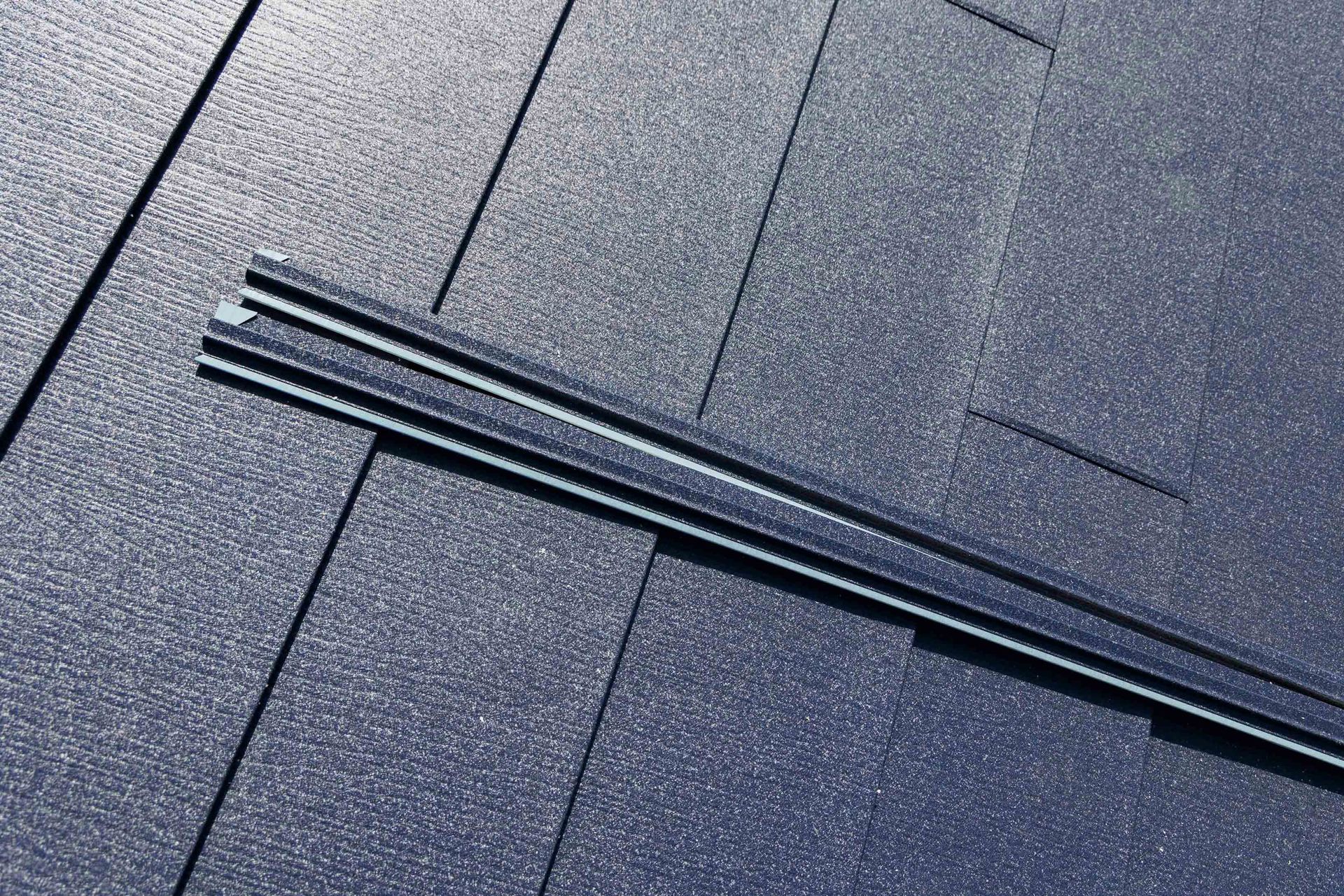
1. Hero / Banner Image: Wide-angle overhead or elevated shot of a completed fabric reinforced roof — bright white, seamless — ideally with a Colorado mountain or recognizable regional setting.
2. Fabric Embedding in Progress: Close-up or mid-shot of crew embedding the reinforcing fabric into the wet base coat. This process differentiates fabric reinforced roofing from a simple coating — show it.
3. Before — Worn or Leaking Flat Roof: A flat commercial roof in poor condition — cracked, stained, seam separations or blistering. Sets up the 'after' photo powerfully.
4. After — Completed White Membrane: The same or similar roof after fabric reinforced coating is complete — smooth, white, seamless.
5. Coating Application — Spray or Roller: Wide shot of crew applying base coat or finish coat across a large roof surface.
6. Reflective Roof in Colorado Sun: Completed white roof on a bright sunny day — Colorado sky and mountain backdrop reinforces energy efficiency messaging.
7. Seam / Crack Repair Close-Up: Tight shot of a problem area being repaired before fabric and coating are applied.
8. Completed Building Exterior: Full exterior of a completed commercial project — retail, warehouse, church, or office — in any Colorado or eastern Utah location.
PHOTO TIP: Caption project photos with city/region (e.g., 'Colorado Springs retail center', 'Moab warehouse re-coat') to reinforce statewide and eastern Utah geographic credibility.





