Residential Roof Inspection
Your roof is the one part of your home you almost never look at, and the one part that protects everything else. A professional roof inspection tells you exactly what condition your roof is in, whether it has damage you can’t see from the ground, and how much life it has left. It is the difference between planning for a roof and being surprised by one.
Altitude Roofing LTD provides thorough, documented residential roof inspections for homeowners across Colorado and eastern Utah. Every inspection includes a written report with photos, a straight assessment of your roof’s condition, and honest recommendations, whether that means a small repair, a maintenance item to watch, or a full replacement.
Most residential inspections are free. If you’ve had hail, high wind, or heavy snow, or you just want to know where you stand, we’ll come look at it and tell you the truth.
Call or Text Us for a Free Residential Roof Inspection
We do not inspect roofs to sell roofs. We inspect roofs so you have accurate information about the most important system on your house. If your roof has years of life left, we’ll tell you that too.
Types of Residential Roof Inspections We Provide
Hail & Storm Damage Inspections
Colorado sits in one of the most hail-active regions in North America, and eastern Utah sees severe wind and thunderstorm activity every season. After a significant storm, the most expensive mistake a homeowner can make is assuming that no leak means no damage.
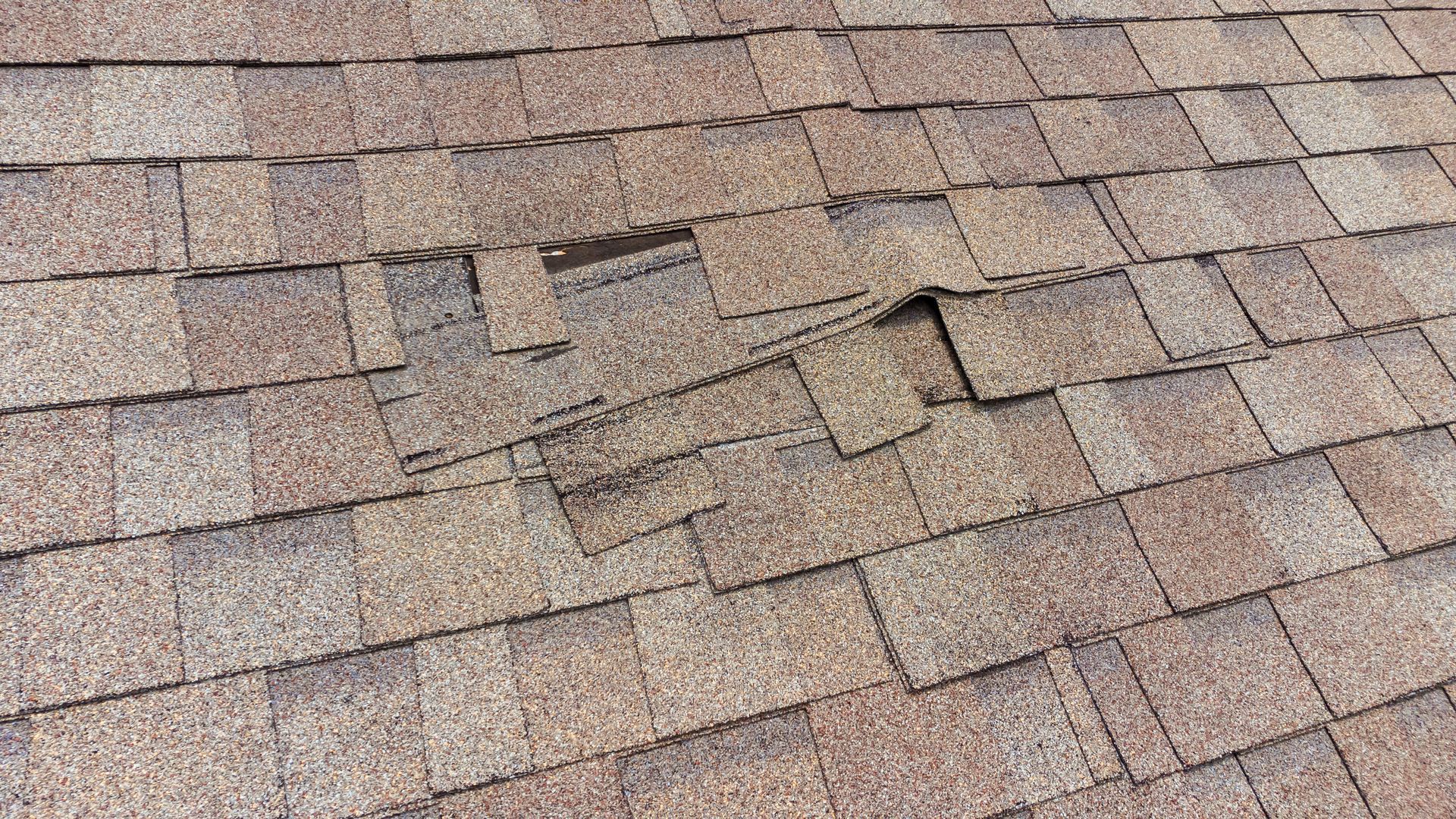
Hail damage to asphalt shingles frequently does not leak for months or even years. What it does immediately is knock granules loose, bruise the mat beneath the shingle, and shorten the roof’s remaining life. On metal roofing, hail causes denting and can compromise coatings and fastener seals. None of this is visible from the driveway.
Our hail and storm damage inspection includes:
• Close-up inspection of all roof slopes for hail impact marks, granule loss, and mat bruising
• Inspection of metal panels, ridge caps, and trim for denting, coating damage, and fastener issues
• Examination of ridges, valleys, and edges for wind uplift, creasing, and missing shingles or panels
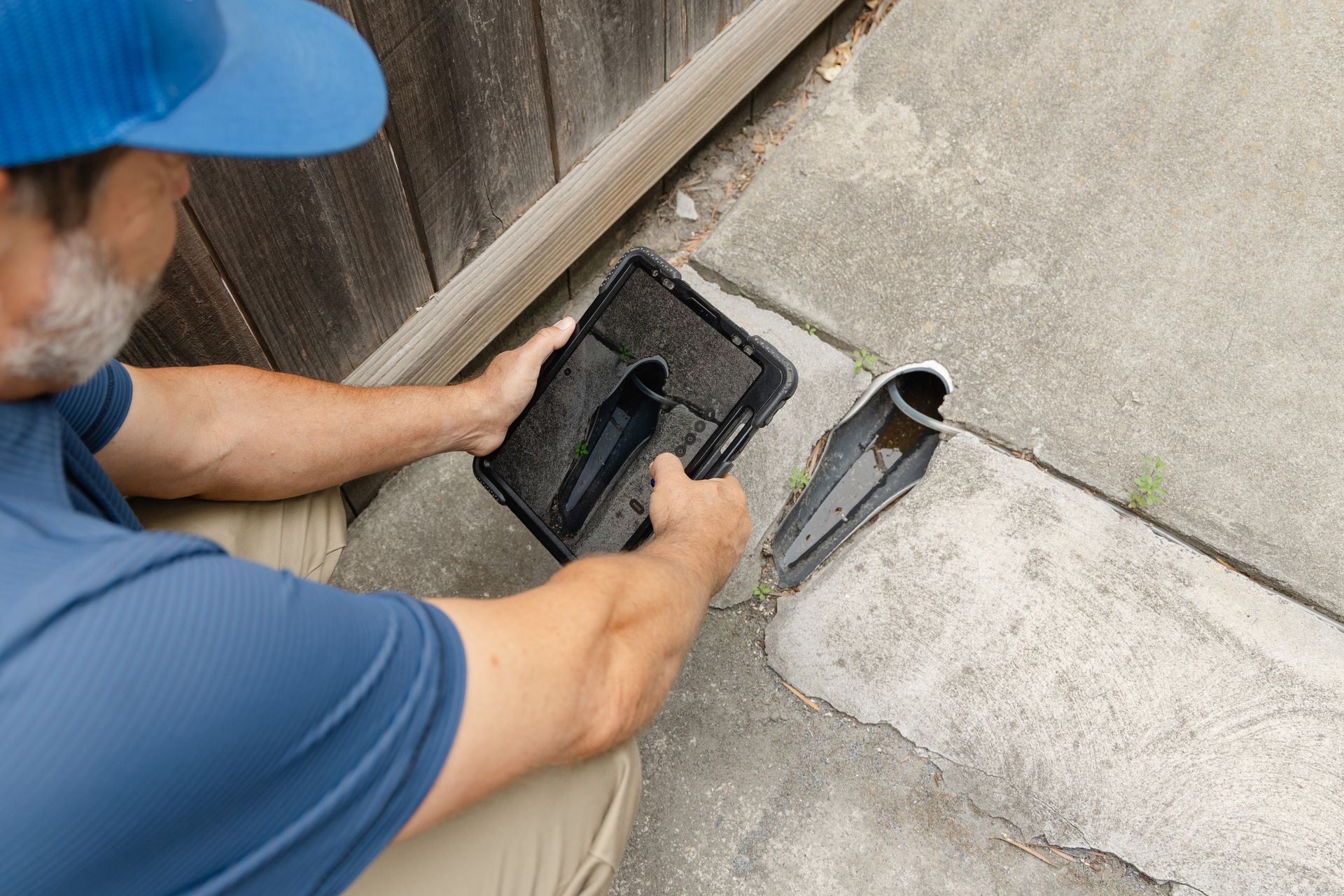
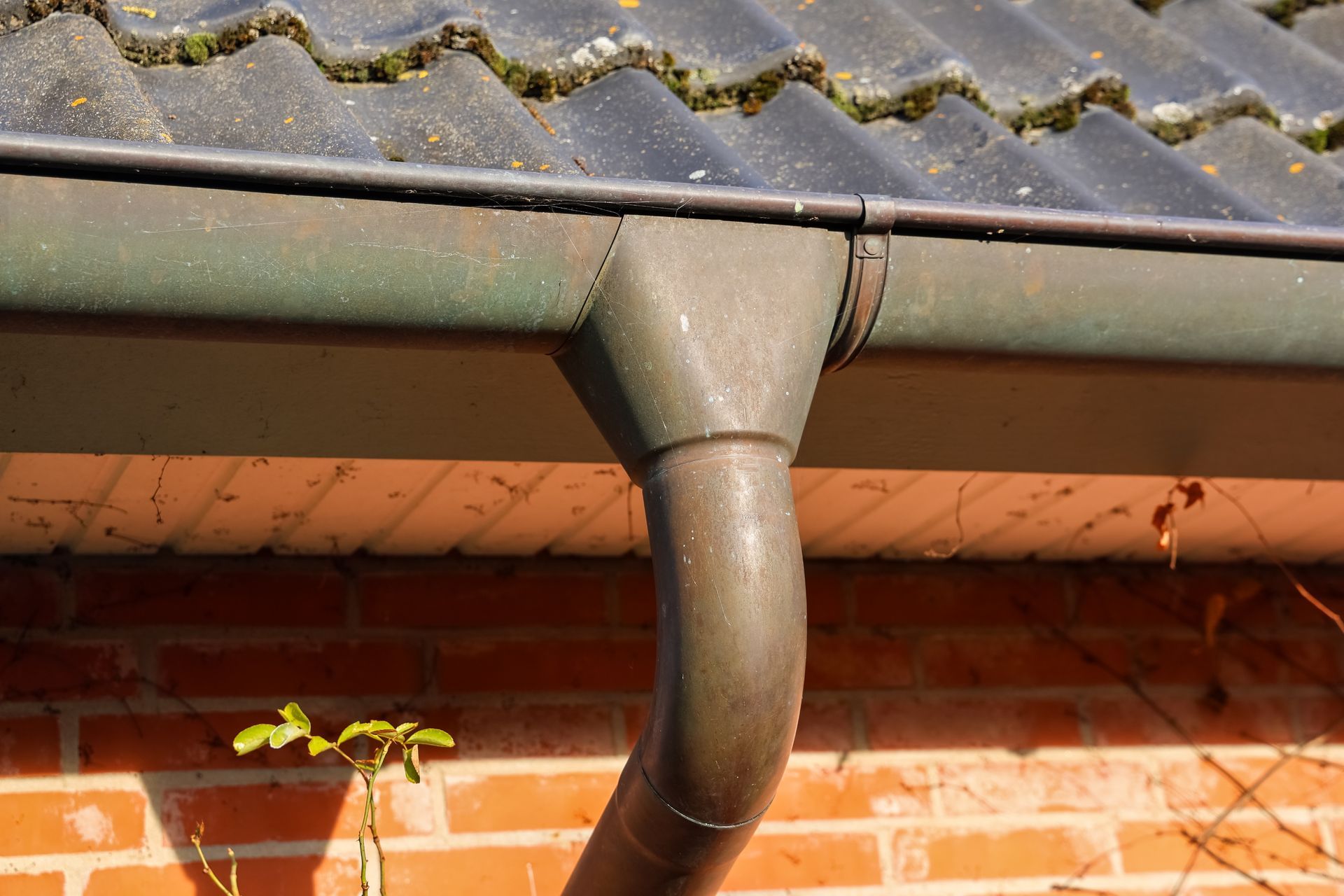
• Inspection of soft metals (gutters, downspouts, vents, flashing) for corroborating hail evidence
• Documentation of all damage with dated photos and test-square measurements
• Written storm damage report formatted for submission to your insurance carrier
• Itemized estimate for the recommended repair or replacement
If your neighborhood was hit, call us promptly. Insurance policies have filing deadlines measured from the date of the storm, typically one to two years and sometimes less. Evidence of hail damage also degrades over time, as weathering makes fresh impacts harder to distinguish from normal wear.
Insurance Claim Inspections & Claim Support
Filing a roof claim is easier when you know what you have before you pick up the phone. We inspect the roof, document the damage, and give you a written report with photos so you can decide whether a claim makes sense, before an adjuster ever visits.
If you move forward with a claim, we work alongside you through the process: we can meet the adjuster on-site, walk the roof with them, point out damage they may have missed, and provide an itemized repair scope. Our reports are built to be read by adjusters, not just by roofers.
Our insurance inspection and claim support includes:
• Full damage inspection with dated, labeled photos and test squares
• Written report documenting the nature, extent, and likely cause of damage
• Itemized repair or replacement scope with line-item pricing
• On-site meeting with your insurance adjuster at your request
• Documentation of completed work for final claim closeout
We do not tell homeowners a claim will be approved, and we won’t promise you a new roof. What we will do is document your roof accurately and honestly so the claim is decided on real evidence.
Pre-Purchase & Home Sale Roof Inspections
A general home inspector will note the roof’s apparent condition. A roofing contractor will tell you how much life it has left and what it will cost. If you are buying a home in Colorado or eastern Utah, that distinction can be worth tens of thousands of dollars at the negotiating table.
Our pre-purchase roof inspection includes:
• Identification of roofing material, approximate age, and number of layers where determinable
• Assessment of remaining useful life in years
• Full list of current deficiencies and deferred maintenance items
• Estimated cost of recommended repairs or eventual replacement
• Written report with photos suitable for use in negotiations, lender requirements, or an insurance binder
Selling instead? A clean, documented roof inspection report removes one of the most common points of friction in a real estate transaction. We work with homeowners, buyers, and real estate agents across Colorado and eastern Utah, and we can usually work within closing timelines.
Annual & Seasonal Maintenance Inspections
Roofing materials in Colorado and eastern Utah age faster than the same materials do at lower elevations. An annual inspection catches the small, cheap problems, such as a lifted flashing, a failed pipe boot, a loose fastener, or a clogged valley, before they become interior water damage.
Our annual maintenance inspection includes:
• Inspection of all roof planes for material deterioration, cracking, curling, granule loss, or corrosion
• Inspection of all flashings, pipe boots, vents, skylights, and chimney details
• Examination of valleys, ridges, hips, and roof-to-wall transitions
• Assessment of gutters, downspouts, drip edge, and drainage away from the home
• Attic and interior inspection for moisture staining, ventilation problems, and daylight penetration where accessible
• Evaluation of previous repairs for quality and continued integrity
• Written report with photos and a prioritized list of recommended actions
Spring is the best time for an inspection in mountain communities, right after snowmelt, when winter’s damage is fresh and visible. Fall inspections matter for the opposite reason: they catch problems before snow load arrives.
Leak Diagnosis & Emergency Inspections
An active leak needs an answer today, not next week. Water does not always enter the house where it enters the roof. It can travel along decking and framing for a considerable distance before it appears on your ceiling. Finding the actual source takes systematic inspection, not guesswork.
We trace leaks to their origin, document what we find, and give you both a temporary mitigation option and a permanent repair recommendation. If your roof is actively leaking, call us. We prioritize emergency response.
New Home & Post-Installation Inspections
If your roof was recently installed and you have concerns about workmanship, we provide independent third-party inspections. We assess installation quality against manufacturer specifications and applicable code, and document any deficiencies in writing. Some manufacturer warranties also require documented periodic inspections to remain valid.
What We Examine During a Residential Roof Inspection
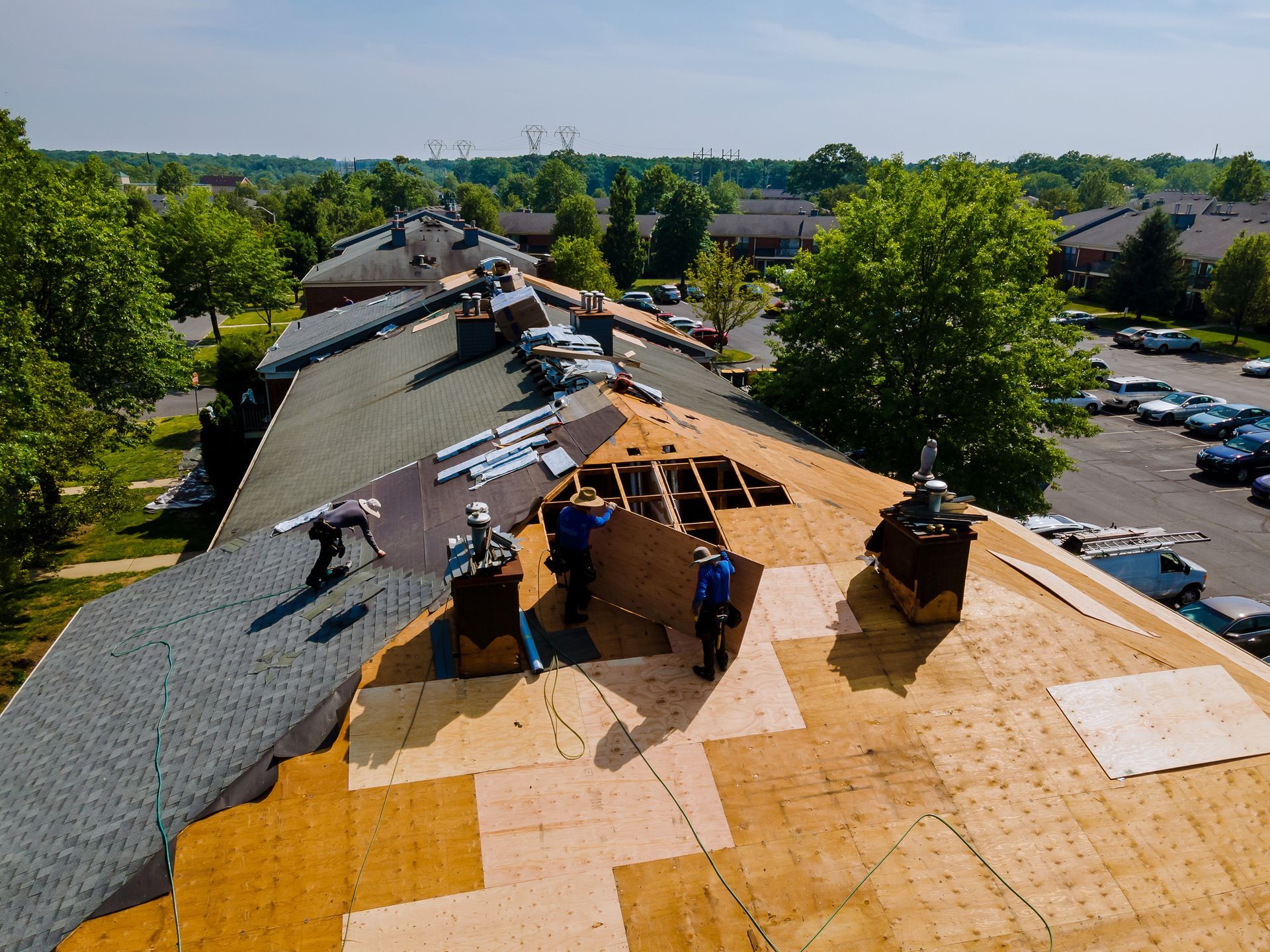
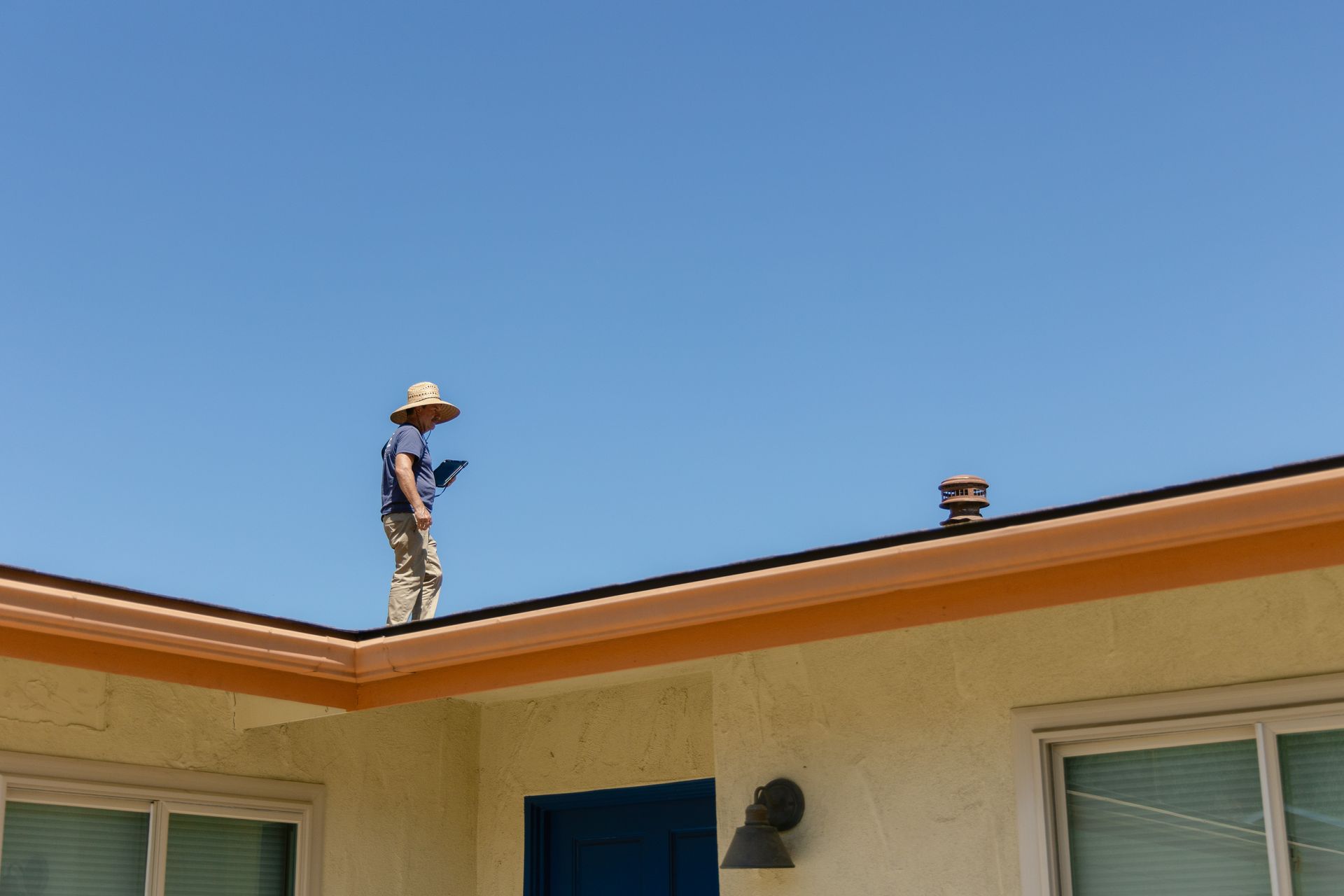
A real inspection is not a walk-around from the ground or a look through binoculars. We get on the roof whenever it is safe to do so, and we evaluate every system that keeps water out of your home.
Roof Covering: Shingles, Metal Panels, or Membrane
For
asphalt shingles, we examine every slope for granule loss, cracking, curling, cupping, blistering, hail bruising, thermal splitting, and missing or displaced shingles. For
standing seam metal,
AG panel, and
Pro Panel roofs, we assess panel condition, seam and lap integrity, fastener condition and back-out, oil canning, coating wear, and any surface corrosion. On low-slope residential sections, we inspect membrane surface, seams, and terminations.
Flashings, Penetrations & Details
The overwhelming majority of residential roof leaks begin at a detail, not in the open field of the roof. We examine every flashing and penetration for lifting, cracking, separation, deteriorated sealant, and improper installation. That includes chimney flashing and counterflashing, step and wall flashing, skylight curbs and seals, plumbing vent boots, exhaust vents, satellite mounts, and solar attachment points.
Valleys, Ridges, Hips & Transitions
Valleys carry the highest volume of water on any roof and are common failure points. Ridges and hips are the most exposed to wind. We inspect all of them, along with roof-to-wall transitions and any change in roof plane or pitch, for material condition and correct detailing.
Eaves, Rakes, Drip Edge & Ice Dam Zones
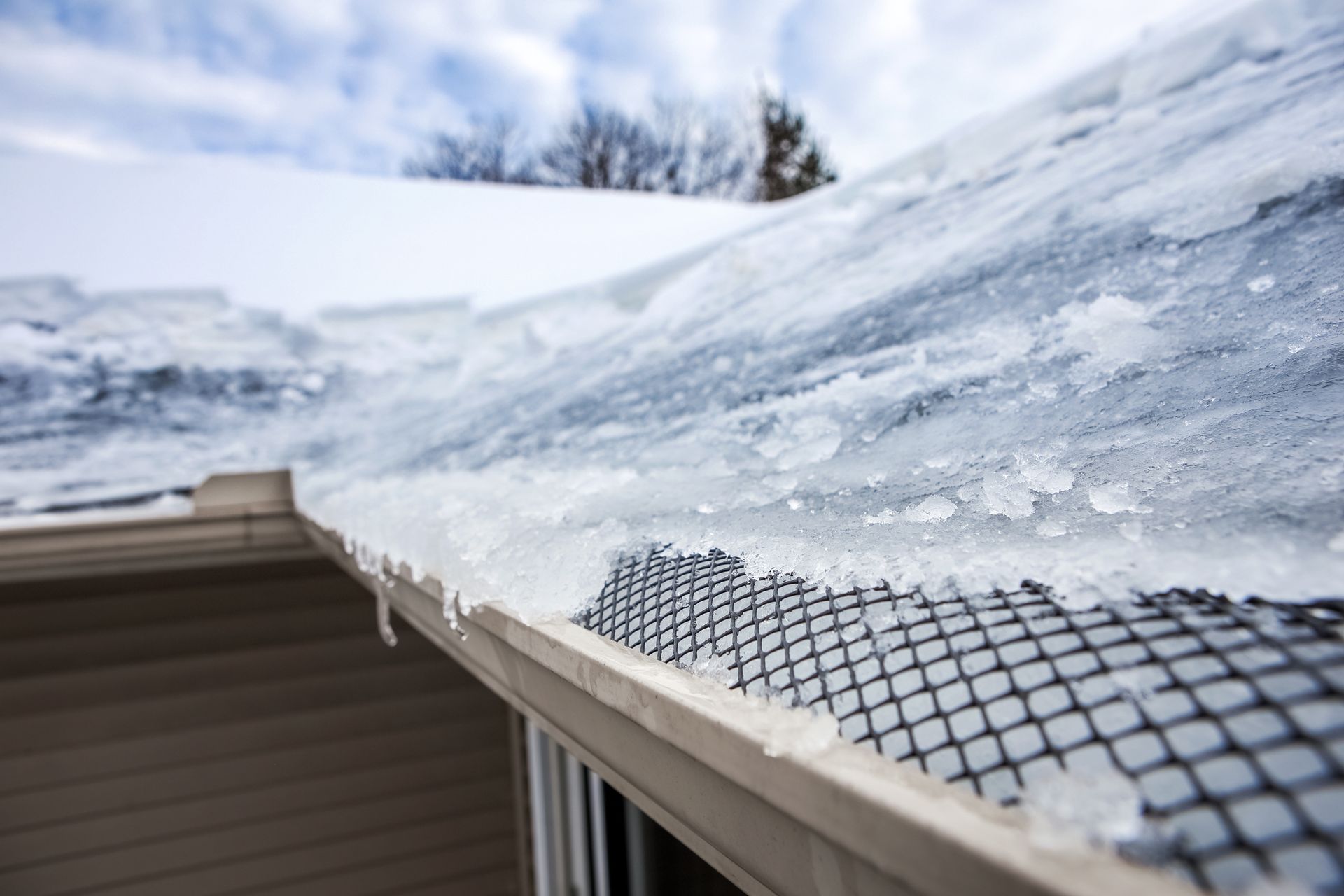
We inspect drip edge and rake metal for attachment and condition, and evaluate eave areas for evidence of ice damming, including staining, deteriorated decking, damaged fascia, or rotted soffit. In snow country, the eave is where roofs fail first.
Gutters, Downspouts & Drainage
We check gutters and downspouts for hail evidence, damage, pitch, blockage, secure attachment, and whether water is actually being carried away from the foundation. Soft-metal damage in gutters is also one of the most useful confirming indicators of a hail event.
Attic, Ventilation & Insulation
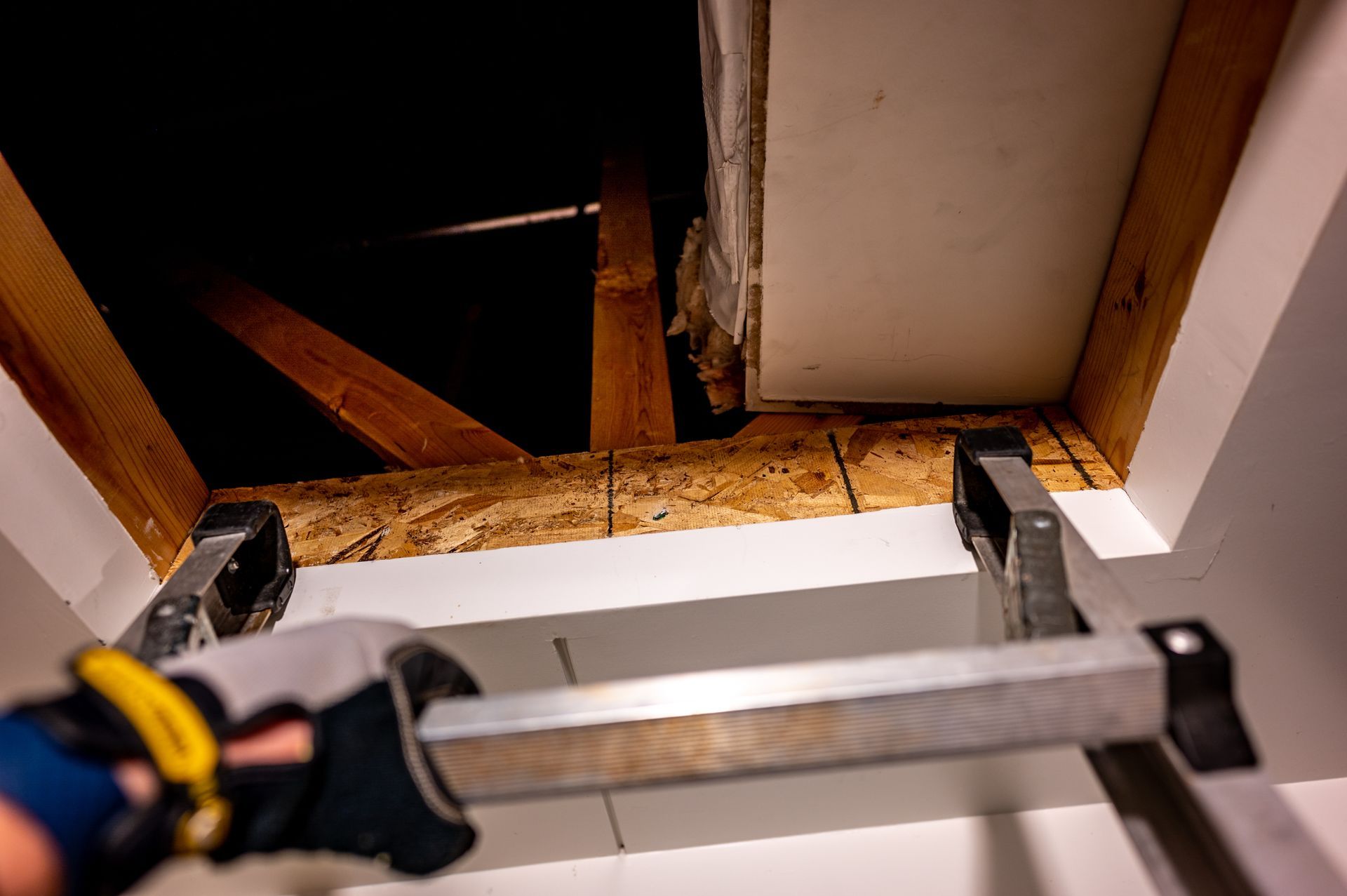
Where access is available, we inspect the attic for moisture staining, mold, active leaks, daylight penetration, compressed or displaced insulation, and adequate intake and exhaust ventilation. Poor ventilation is one of the leading causes of premature roof failure and of ice damming, and it is frequently the real problem behind a roof that “keeps having issues.”
Decking & Structural Observations
We note any visible or detectable soft spots, sagging, deflection, or delaminated decking, along with anything that suggests a structural issue affecting roof performance.
Previous Repairs
We evaluate the quality and current condition of prior repairs, including patches, sealants, and coatings, to assess whether they are still doing their job or are now the problem.
Why Colorado & Eastern Utah Homes Need Roof Inspections More Often
The climate across Colorado and eastern Utah is measurably harder on residential roofing than most of the country. A roof that would last 25 years elsewhere often does not last that long here. These are the specific reasons homes in this region benefit from more frequent professional attention.
Hail: The Front Range and Mountain Foothills
Colorado’s Front Range is one of the most hail-prone corridors in North America, and hail events reach across the state and into eastern Utah. Hail damage to asphalt shingles is usually invisible from the ground and often does not leak right away, but it removes the granule layer that protects the shingle from UV, which quietly cuts years off the roof’s life. A prompt inspection after any hail event both documents the damage for insurance and identifies problems before they become leaks.
High-Altitude UV Exposure: Statewide
UV intensity increases roughly 4% for every 1,000 feet of elevation. A home at 7,000 feet exposes its roof to substantially more UV energy than the same home at sea level. UV degradation shows up as brittleness, cracking, granule loss, and faded or chalking coatings on metal. It is the single most underappreciated reason roofs age faster in Colorado, and it is exactly what an annual inspection catches early.
Heavy Snow Load & Ice Damming: Mountain Communities
In Pagosa Springs, Steamboat Springs, Telluride, Aspen, Durango, and mountain communities across the state, seasonal snow load stresses roofs at eaves, valleys, and penetrations. Ice damming forces water backward under the roof covering, where it can rot decking and soak insulation without ever showing on the ceiling. Spring inspections after snowmelt are the single most valuable inspection a mountain homeowner can schedule.
Freeze-Thaw Cycling: Mountain and High Desert
Day-to-night temperature swings in Colorado’s high country and eastern Utah’s high desert routinely exceed 40°F. That repeated expansion and contraction fatigues sealants, backs fasteners out, opens laps and flashing joints, and works nail heads loose over time. Freeze-thaw stress is a primary driver of premature roof failure in this region.
Wind Events: Statewide and Eastern Utah
Downslope windstorms along the Front Range, canyon winds, and high-wind events across the eastern plains and eastern Utah’s canyon country lift shingle edges, crease shingles, loosen ridge caps, and pull at panel edges and flashings. Wind damage is often subtle. A creased shingle looks fine but has already failed. Post-wind inspections catch it before the next rain finds it.
Wildfire & Ember Exposure
In wildfire-prone areas across both states, roof condition and material class matter for both safety and insurability. We note debris accumulation in valleys and gutters, gaps at vents and eaves where embers can enter, and roof covering condition relevant to fire exposure.
What You Receive: Your Written Inspection Report
You do not get a verbal summary and a handshake. Every Altitude Roofing LTD residential inspection comes with a written report you can keep, share, and act on. Your report includes:
• Roof covering type, estimated age, and an overall condition rating
• Itemized list of every deficiency found, ranked by severity and urgency
• Dated, labeled photos of each problem area
• Estimated remaining useful life of the current roof
• Clear recommendations separated into: fix now, plan for soon, and monitor
• Itemized cost estimates for the recommended repair or replacement options
• Insurance-ready damage documentation when storm damage is present
Our reports are written in plain English, with no contractor jargon and no scare tactics. You should be able to read it, understand it, and make a decision without needing anyone to translate it for you. Reports are suitable for insurance submissions, real estate negotiations, lender requirements, and your own household planning.
Why Homeowners Choose Altitude Roofing LTD
Free inspections for homeowners. Most residential roof inspections are free, including hail and storm damage inspections. You get a real assessment at no cost and no obligation.
We tell you when you don’t need a roof. If your roof has good years left, that is what our report will say. A contractor who finds a problem on every roof is not inspecting; they are selling.
Local to Colorado and eastern Utah. Headquartered in Pagosa Springs and working across the state and into eastern Utah, we know what altitude, hail, snow load, and freeze-thaw actually do to a roof here, because we repair the results every season.
Written reports with photos, every time. You get documentation, not opinions. It is yours to keep and use however you need.
Insurance claim experience. We have walked many roofs with many adjusters. We know how damage needs to be documented for a claim to be evaluated fairly.
We inspect every residential system we install. Asphalt shingles, standing seam metal, AG panel, Pro Panel, and low-slope residential membrane. If it’s over your house, we can inspect it.
Schedule Your Free Residential Roof Inspection: Call or Text Today
Frequently Asked Questions: Residential Roof Inspections
How much does a residential roof inspection cost?
Most residential roof inspections from Altitude Roofing LTD are free, including hail and storm damage inspections. We charge a fee only for standalone documented reports where no repair work is contemplated: pre-purchase real estate inspections, insurance binder condition reports, or third-party workmanship reviews. Contact us and we’ll tell you upfront whether your inspection is free before we schedule it.
How often should a home roof be inspected?
Once a year at minimum, and after every significant weather event: hail, high wind, or heavy snow. In Colorado mountain communities, twice a year is better: once in spring after snowmelt and once in fall before snow arrives. Roofs over 15 years old and roofs in high-hail areas benefit from annual inspection regardless of appearance.
Do I need a roof inspection after a hailstorm even if there’s no leak?
Yes. This is the most common and most costly misunderstanding homeowners have about hail. Hail damage rarely causes an immediate leak. What it does immediately is strip granules and bruise the shingle mat, which shortens the roof’s life and can lead to failure months or years later, by which point your insurance filing deadline has usually passed. If hail hit your neighborhood, have the roof inspected promptly.
How long does a residential roof inspection take?
Most homes take 45 minutes to 90 minutes on site, depending on size, pitch, complexity, and whether attic access is available. Your written report is typically delivered within one to three business days.
Will a roof inspection help with my insurance claim?
Yes. Our storm damage reports document the nature, extent, and likely cause of damage with dated photos and test squares, in a format built for carrier submission. We can also meet your adjuster on the roof and provide an itemized repair scope. We cannot guarantee a claim outcome, since that is the carrier’s decision, but a properly documented roof gives the claim the best chance of being evaluated on the actual evidence.
Should I file an insurance claim before or after getting a roof inspection?
Get the inspection first, in almost every case. An inspection tells you whether you actually have compensable damage and roughly what the repair will cost. That is information you need before deciding whether filing makes sense. Filing a claim that gets denied still puts a claim on your record.
What’s the difference between a roof inspection and a home inspection?
A general home inspector evaluates the whole house and reports the roof’s apparent condition, often from the ground or a ladder at the eave. A roofing contractor gets on the roof, evaluates the roofing systems specifically, and can tell you remaining useful life and actual repair costs. Home inspectors are generalists by design. For anything roof-related, a roofing contractor’s inspection is far more detailed.
What’s the difference between a roof inspection and a roof estimate?
An inspection is a systematic evaluation of your roof’s condition, delivered as a written report: what you have, what’s wrong, and what it will take to address. An estimate is a price for a specific scope of work. The inspection should always come first, so the estimate is based on what the roof actually needs rather than a surface guess.
Can you tell how many years my roof has left?
We can give you a well-supported estimate. Remaining useful life depends on roofing material, installation quality, attic ventilation, elevation and UV exposure, hail history, and current condition. We assess all of those and give you a realistic range, along with what would extend it and what would shorten it.
Do you inspect metal roofs as well as shingle roofs?
Yes. We inspect all common residential roofing systems, including asphalt shingles, standing seam metal, AG panel, Pro Panel, exposed-fastener metal roofing, and low-slope residential membrane and coating systems. Metal roofs require different inspection points than shingles, including fastener condition, seam integrity, coating wear, and thermal movement, and we assess accordingly.
Do you inspect the attic during a roof inspection?
Whenever access is available, yes, and we recommend it. The attic is where you see evidence of leaks, ventilation problems, and ice dam damage that is not visible from the roof surface. Many roof problems are actually ventilation problems, and you cannot diagnose that from outside.
Is it safe to walk on my roof? Will an inspection damage it?
Our crews are trained to walk roofs without causing damage, and we choose our access and path based on the material and its condition. On very steep, very brittle, or otherwise unsafe roofs, we use ladder-and-edge inspection, drone imaging, or both rather than risk damage or injury. Safety and preserving your roof both come before convenience.
Do you offer free roof inspections near me?
Yes, across Colorado statewide and throughout eastern Utah. We’re headquartered in Pagosa Springs and travel for residential inspections. If you’re not sure whether you’re in our area, contact us and we’ll confirm.
Service Area
Altitude Roofing LTD provides residential roof inspections throughout:
Colorado (Statewide)
• Pagosa Springs & Archuleta County (headquarters)
• Durango, Bayfield, Cortez & the Four Corners Region
• Denver Metro & Front Range (Denver, Aurora, Lakewood, Arvada, Westminster, Thornton, Broomfield)
• Colorado Springs & Pueblo
• Fort Collins, Greeley & Northern Colorado
• Boulder & Longmont
• Grand Junction & the Western Slope
• Steamboat Springs & Northwest Colorado
• Montrose, Delta & the North Fork Valley
• Glenwood Springs, Aspen & the Roaring Fork Valley
• Salida, Gunnison & the Arkansas River Valley
• Trinidad, Walsenburg & Southern Colorado
• All rural and mountain communities statewide
Eastern Utah
• Moab & Grand County
• Price & Carbon County
• Vernal & Uintah County
• Blanding, Monticello & San Juan County
• Castle Dale, Ferron & Emery County
• Surrounding eastern Utah communitie
Not sure if we reach your area? Contact us. We travel for residential inspections and will confirm availability for your location.
Schedule Your Free Residential Roof Inspection
Don’t wait for a stain on the ceiling to find out what’s happening on your roof. Contact Altitude Roofing LTD for a free residential roof inspection anywhere in Colorado or eastern Utah. We’ll give you a thorough, documented assessment of your roof’s condition, and an honest recommendation for what to do next, even if that recommendation is to do nothing at all.
Call or Text Us | Headquarters: Pagosa Springs, CO | Serving All of Colorado & Eastern Utah